After Using a Refurbished Laptop for a Year: Here Is What Has Broken, and What Has Survived

When you buy a refurbished laptop for KES 35,000 in town, you are not buying a premium machine. You are buying a tool. You expect it to be a little slow, maybe a little heavy. What you do not expect is for it to physically fall apart in your hands.
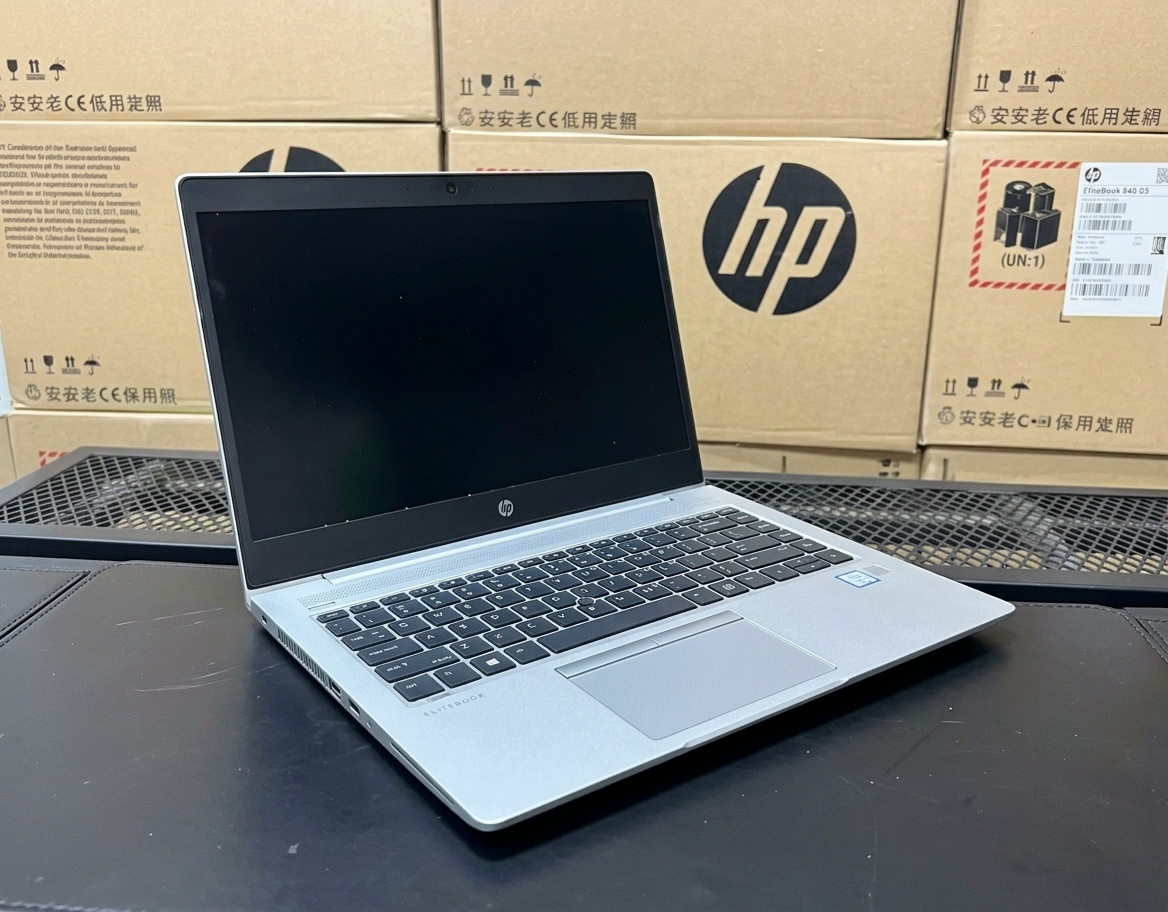
I bought a refurbished HP EliteBook 840 G5 for exactly KES 35,000 from a dealer in town. I wanted to see if the hype about cheap business laptops is real, or if they are just as fragile as the cheap new ones.
I have used it for everything for a year. I have carried it in a backpack on matatus, typed articles on it, dropped it more than once (by accident), and ran its battery to zero more times than I should admit.
Here is the honest breakdown of what broke, and what survived.
What Has Survived
The Keyboard
I type hard. I am the kind of person who hits the spacebar like it owes me money. After a year of heavy use, the HP keyboard did not miss a single keystroke. The keys still feel solid, not mushy. If you are a student writing long essays or a freelancer typing all day, a business laptop keyboard will outlast a cheap new laptop keyboard every single time.
The Hinges
This is the part that usually fails first on budget laptops. The plastic around the screen hinges cracks, and eventually, the screen goes floppy. The HP’s hinges are metal and reinforced. After opening and closing it a couple of times a day for a year, they still feel tight and brand new.
The Speed
I expected it to slow down after I installed a few apps. It did not. It boots up in about 12 seconds, which is entirely thanks to the SSD inside. When you buy a refurbished laptop, the SSD is the best thing about it. It makes an old processor feel surprisingly fast.
What Broke (Or Almost Did)
The Battery
This is the biggest risk when buying refurbished. The laptop came with a battery that held about 75% of its original charge. That means I got about three hours of work done before I had to look for a socket.
If you are on campus all day, three hours is not enough. I had to carry my charger everywhere. Eventually, I will have to spend about KES 4,000 to buy a new battery. That KES 35,000 laptop is really a KES 39,000 laptop once you factor that in.
The Screen
I bumped my backpack against a chair leg while getting off a matatu, and it left a tiny bright spot on the corner of the screen. The glass did not crack, but the pixels underneath got damaged. It was my fault, but it taught me a lesson: these screens are softer than they look. Buy a screen protector or a laptop sleeve immediately.
The Fan
By month three, the fan started making a slight rattling noise when I pushed the laptop hard. I opened the back panel and found a small buildup of dust. I blew it out, and the noise stopped. Because these are old machines, the fans often need a quick cleaning. It is easy to do, but you have to be willing to do it.
What I Learned About the KES 35,000 Price Tag
If you buy a brand new laptop for KES 35,000, you will get a plastic body, a slow Celeron processor, and a mechanical hard drive. It will survive a month because it is new, but it will drive you crazy with how slow it is.
If you buy a refurbished EliteBook for KES 35,000, you get a metal body, a fast i5 processor, and an SSD. It survived the physical reality of Kenyan commuting. The only weak point was the battery, which is a replaceable part.
The Verdict
If you are buying a laptop in this price range, you should buy the business laptop. But you must accept two things:
You will likely need to replace the battery within the first year.
You need to buy a protective sleeve.
These machines are built to last, but they are not indestructible. For KES 35,000, you are getting a serious piece of hardware. Just take care of it, and it will survive the month, the year, and your entire university degree.