The Real Reason Half of Kenya Is Still Offline Isn’t the Network

Kenya has done something remarkable. According to a new report from GSMA Intelligence, only 2% of the population lives beyond the reach of a mobile signal. The towers are up. The cables are laid. On paper, the country is connected.
But look closer, and the picture changes. Of the people who can get online, 51% still don’t. The barrier isn’t infrastructure anymore. It’s the device in their hand, or rather, the one they can’t afford to buy.
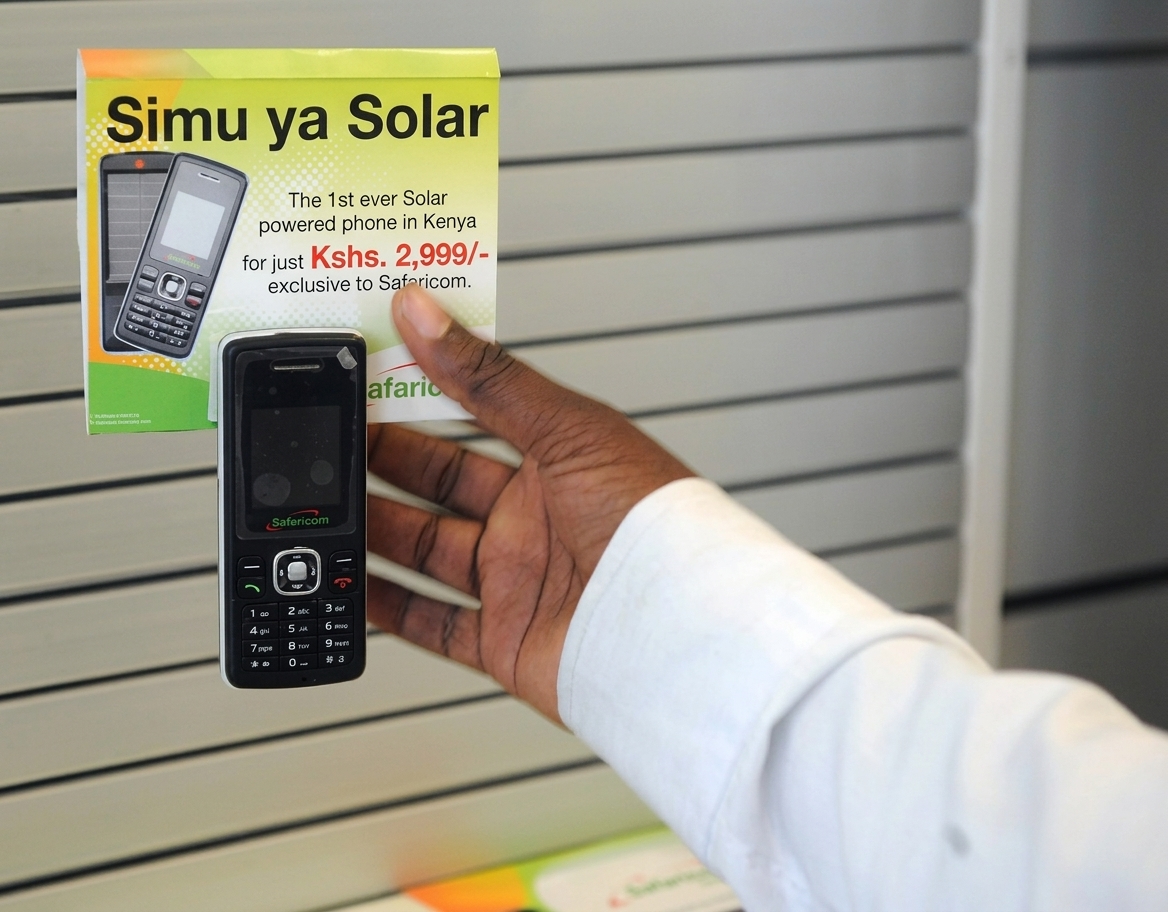
The numbers tell a blunt story. Only 34% of Kenyans own a smartphone. An entry-level device costs around KES 3,000, which is roughly 11% of the average monthly income per person. For a family already stretching every shilling, that’s not a small gap. It’s a wall.
The GSMA report notes that Kenya has reached the point where another kilometre of fibre may do less to expand internet use than making the handset at the end of that fibre cheaper. It’s a sentence that should make policymakers pause.
The good news is that Kenyans are finding ways around the wall. Hire-purchase schemes have exploded, with device financing accounts jumping from about 579,000 in 2021 to over 1.7 million in 2024. Safaricom’s Lipa Mdogo Mdogo programme alone has helped more than 1.3 million customers get a smartphone by paying in small daily instalments. It’s not perfect, since the total cost ends up higher than paying cash, but for someone who needs a phone to work, it’s a bridge.
There’s also a local manufacturing angle. The East Africa Device Assembly plant can churn out up to three million smartphones a year. But there’s a catch. Kenyans have been slow to trust locally assembled phones, often perceiving them as lower quality than imports. Building the factory was the easy part. Building trust is the harder work.
For Tech-Terrain readers, this isn’t an abstract policy debate. It’s the reason why the budget phone you’re eyeing costs what it does. It’s the reason why Lipa Mdogo Mdogo exists. And it’s the reason why Kenya’s digital economy, which contributes about KES 3.1 trillion through mobile money alone, still has millions of people standing outside the door.
The signal is there. The phone isn’t. Until that changes, the gap stays open.