The "Celeron Trap": Why That Brand New KES 28,000 Laptop Will Ruin Your Campus Life

It is the first week of the semester. You have KES 28,000 saved up. You walk into a shop in Nairobi, and the seller hands you a laptop still wrapped in plastic. It has a big brand name on the lid, a shiny screen, and a price tag that fits your budget perfectly.
You buy it. You feel like you got a great deal.
Three weeks later, you are sitting in the library, staring at a frozen screen while an assignment deadline ticks down. The laptop is not broken. It is just incredibly slow. You have fallen into the Celeron Trap.
What is the Celeron Trap?
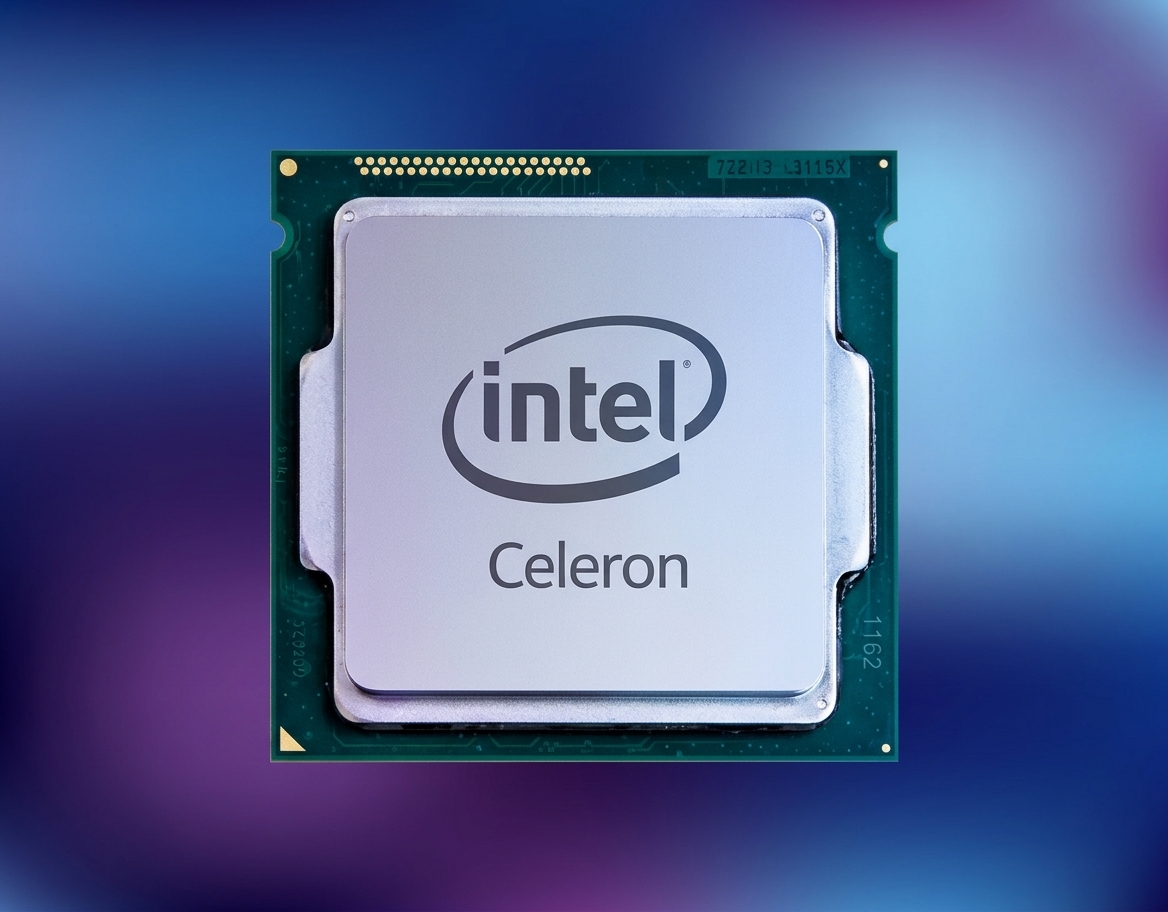
The Celeron Trap is what happens when a laptop manufacturer takes a very cheap processor (usually an Intel Celeron or an Intel Pentium) and puts it inside a shiny new plastic body. They sell it to students who want a "new" laptop but cannot afford a good one.
It is a brilliant marketing strategy. It sounds fast. It looks new. But inside, the machine is built for the absolute bare minimum.When you buy a laptop with a Celeron processor and only 4GB of RAM, you are not buying a tool for learning. You are buying a source of daily frustration.
Why It Will Ruin Your Campus Life
A cheap new laptop will fail you in the exact moments when you need it to work.
When you need to do an online exam. Most universities now use online portals or proctoring software for exams. These programs require a lot of memory. On a Celeron with 4GB of RAM, the browser will lag. The video feed will stutter. You might even get kicked out of the exam because the laptop freezes.
When you need to join a Zoom class. If your lecturer is sharing a screen, a Celeron laptop will struggle to keep up. You will hear the audio, but the screen will freeze. You will miss the notes, and you will fall behind.
When you need to type an assignment. A cheap new laptop usually comes with a mechanical hard drive (HDD). It takes minutes just to turn on. When you finally open Microsoft Word, it takes another minute to load. Every save feels like a gamble.
The Real Insult: You Paid Too Much
Here is the painful part. That KES 28,000 you spent on a shiny new laptop could have bought you a refurbished HP EliteBook or Lenovo ThinkPad.
For the same money, you could have had:
- An Intel Core i5 processor (which is vastly faster than a Celeron).
- An SSD that boots in 10 seconds.
- A metal body that does not crack when you bump it.
- 8GB of RAM that lets you keep 10 tabs open without crashing.
Instead, you bought a plastic box that will be useless by your second year.
How to Avoid the Trap
If you are shopping for a laptop and your budget is under KES 40,000, here is what you do:
- Reject any laptop with a Celeron or Pentium processor. Do not let the seller convince you it is "good enough for basic use."
- Reject any laptop with 4GB of RAM.
- Do not be afraid of a refurbished machine. A two-year-old business laptop from HP or Lenovo is a thousand times better than a brand new Celeron laptop. It was built for professionals, and it will handle your assignments with ease.
The Verdict
The Celeron Trap is designed to catch students who are afraid of buying second-hand. It uses the promise of a brand-new machine to hide the reality of terrible performance.
Do not fall for it. A new laptop that freezes is not better than a refurbished laptop that works. Buy the machine that will actually help you graduate, not the one that looks good in the shop.